Stain Removal in Everyday Life: Smart Methods, Fast Fixes, and Lasting Fabric Care
Stain removal is one of those household skills that can save time, money, and frustration. Whether you are dealing with a coffee spill on a shirt, grease on upholstery, mud on a carpet, or ink on a tablecloth, knowing the right stain removal approach makes a huge difference. The key is not just reacting quickly, but reacting correctly. Different stains behave differently, and using the wrong method can lock a mark into the material permanently.
In this article, we will explore practical stain removal strategies for clothes, fabrics, carpets, hard surfaces, and delicate materials. You will learn how to identify stain types, choose the right cleaning method, and avoid common mistakes that make stains harder to remove. From stain removal basics to advanced cleaning tips, this article is designed to be useful, search-friendly, and easy to follow.
Good stain removal is not about harsh chemicals alone. It is about understanding stain chemistry, fabric care, and the right order of action. With the right techniques, many stubborn marks can be reduced dramatically or removed entirely. If you want to keep your home, wardrobe, and soft furnishings looking their best, these stain removal tips will help you do just that.
Why Stain Removal Matters for Homes and Wardrobes
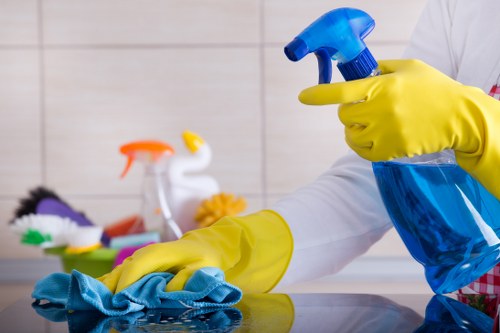
Stains can make a clean item look worn out, even when the material itself is still in great condition. That is why stain removal is so important for both appearance and longevity. A fresh white shirt with a visible mark may seem ruined, but with proper stain removal, it can often be restored to wearable condition. The same applies to upholstery, bedding, table linens, and rugs.
Beyond appearance, timely stain removal helps preserve fibers and finishes. When a stain sits too long, it can oxidize, bond with fabric, or seep deeper into porous surfaces. A quick response often means easier cleaning and better results. This is especially true for protein-based stains like blood or dairy, which can set under heat, and oily stains, which can spread if rubbed aggressively.
Many people assume stain removal requires expensive products, but that is not always the case. In fact, several effective methods use common household ingredients. The important thing is knowing which remedy suits the stain and which surface can safely handle it. That is why stain removal knowledge is a valuable part of everyday home care.
Common Situations Where Stain Removal Helps
- Clothing stains from food, drinks, makeup, ink, or sweat
- Carpet and rug marks from pets, soil, or spills
- Kitchen stains from cooking oils, sauces, or coffee
- Bathroom marks from cosmetics, soap residue, or mildew
- Furniture stains from beverages, body oils, or accidents
Understanding Different Types of Stains
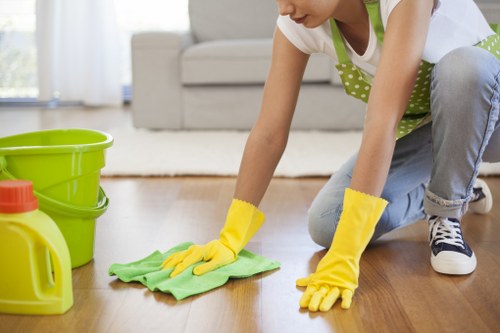
One of the most important parts of stain removal is identifying the type of stain before treating it. Not all stains are the same, and each category reacts differently to water, soap, heat, and solvents. Treating a grease stain like a mud stain, for example, can push the stain deeper into the fabric instead of lifting it.
There are several common stain categories. Oil-based stains include grease, makeup, salad dressing, and lotion. These often need a detergent or solvent to break the bond. Water-based stains include juice, coffee, tea, and soda. These are usually easier to address if handled quickly. Protein-based stains such as blood, eggs, dairy, and sweat need special care because heat can set them permanently.
There are also tannin stains, which often come from wine, coffee, tea, and fruit juices, and dye-based stains, which may come from markers, colored drinks, or fabric transfer. Understanding these differences improves stain removal success and reduces the risk of fabric damage.
Stain Types and Their Typical Behavior
- Oil stains: Spread easily and need absorbent and degreasing action.
- Food stains: Often combine pigments, oils, and proteins.
- Ink stains: Can be stubborn and may require alcohol-based treatment.
- Organic stains: Blood, sweat, grass, and soil need careful targeted treatment.
- Set-in stains: Older stains may need repeated stain removal attempts.
Stain Removal Basics: What to Do First
The first moments after a spill are critical. Fast stain removal often leads to much better results, especially on absorbent materials. The first rule is to act quickly, but gently. Do not rub aggressively, because rubbing can spread the stain or damage fibers. Instead, blot carefully with a clean cloth or paper towel to absorb as much of the spill as possible.
Next, identify the material. Cotton, wool, silk, polyester, carpet fibers, leather, and hard surfaces all respond differently to cleaning products. A method that works on a cotton T-shirt may be unsuitable for silk or suede. Always test products on a hidden area if you are unsure. This step can prevent discoloration, texture changes, or further staining.
Also, check whether the stain is fresh or set in. Fresh stains are much easier to remove, while older marks may require multiple treatments. When possible, avoid heat until the stain is gone. Heat from dryers, irons, or hot water can set many stains permanently. For successful stain removal, patience often matters more than force.
Quick Stain Removal Checklist
- Blot excess liquid immediately
- Identify the stain type
- Check care labels and surface compatibility
- Use cold water first when appropriate
- Avoid heat until the stain is fully removed
Effective Stain Removal Methods for Clothing
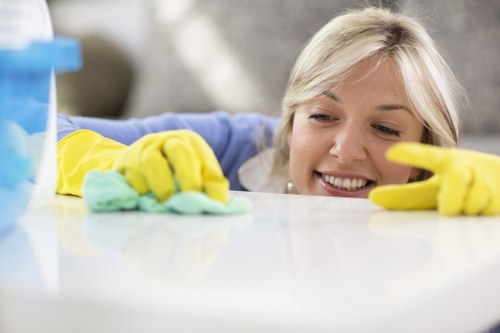
Clothing is one of the most common places where stain removal is needed. Shirts, jeans, uniforms, dresses, and workwear all face daily exposure to spills and marks. The best approach depends on the stain type, the fabric, and how quickly you can treat it. For most garments, a combination of blotting, pretreatment, and washing is the most reliable stain removal strategy.
For food and beverage stains, cold water and a mild liquid detergent often work well. Apply the detergent directly to the stain, gently work it in with your fingers or a soft brush, and let it sit for a few minutes before rinsing. For oily stains, sprinkle absorbent powder such as baking soda or cornstarch first, then brush it off before applying detergent. This helps pull the oil away from the fabric fibers.
For ink stains, alcohol-based solutions can sometimes help break down the pigment. Place a clean cloth underneath the garment and dab the stain carefully so it transfers into the cloth below. For blood stains, cold water is essential, and enzyme-based cleaners often improve results. Stain removal for clothing works best when you match the method to the stain rather than relying on one universal product.
Best Practices for Garment Stain Removal
- Read the garment care label before starting.
- Pre-treat the stain before washing.
- Use the correct water temperature.
- Wash only after the stain appears to be lifted.
- Air dry before using a machine dryer.
Helpful Note
Never put a stained garment into a hot dryer unless you are sure the stain is gone. Heat can make stain removal much more difficult later.
Stain Removal for Carpets, Rugs, and Upholstery
Soft furnishings need special care because liquids can sink into padding and fibers very quickly. Stain removal for carpets and upholstery should always start with blotting, not scrubbing. Press a clean cloth into the area to absorb as much of the spill as possible. If the stain is on a carpet, work from the outside toward the center to keep it from spreading.
For many carpet stains, a mixture of mild dish soap and water can help lift residue. Use only a small amount of liquid, because over-wetting can damage backing or padding. For beverage spills, a diluted vinegar solution may help break down residue, but it should be tested first on delicate fabrics. On upholstery, always check manufacturer instructions if available, since some materials are sensitive to moisture or cleaners.
For pet accidents, stain removal often requires more than surface cleaning. Enzymatic cleaners are especially useful because they break down organic matter and reduce odor. If odor remains after the visible mark is gone, a second treatment may be needed. The goal is not just to remove the stain, but also to restore freshness and prevent repeat marking.
Carpet and Upholstery Stain Removal Tips
- Blot, do not scrub
- Use minimal liquid to avoid deep saturation
- Test cleaners on hidden spots first
- Use enzyme cleaners for pet-related stains
- Allow fabrics to dry fully after treatment
Important Caution
Do not mix cleaning products unless you know they are compatible. Combining chemicals can create dangerous fumes or damage the surface you are trying to clean.
Natural Stain Removal Solutions That Work
Many people prefer natural stain removal options because they are affordable, accessible, and often effective for everyday stains. Baking soda, vinegar, lemon juice, hydrogen peroxide, and mild dish soap are among the most commonly used household cleaners. However, natural does not automatically mean safe for every fabric or surface. Always match the solution to the material.
Baking soda is excellent for absorbing odors and lifting light grease stains. Vinegar can help break down mineral deposits, deodorize fabrics, and assist with some beverage stains. Lemon juice has mild bleaching properties and may help with certain light-colored fabrics. Hydrogen peroxide can be effective on organic stains, but it should be used carefully on colored materials because it may cause fading.
Natural stain removal methods work best when used early and with patience. They may need more than one application, especially on older stains. The advantage is that they often avoid harsh residue and can be used in many household scenarios. When used thoughtfully, these remedies can become a reliable part of your stain removal routine.
Popular Natural Cleaning Options
- Baking soda: Useful for odor and light grease absorption.
- White vinegar: Helpful for residue and some deodorizing tasks.
- Dish soap: Effective for greasy and food-based stains.
- Hydrogen peroxide: Good for some organic stains on colorfast fabrics.
- Lemon juice: Best used carefully on light materials.
Stain Removal Mistakes to Avoid
Even a good stain removal method can fail if it is used incorrectly. One of the biggest mistakes is rubbing the stain too hard. This can spread the stain, damage the fibers, and make the mark harder to lift. Another common error is using hot water on the wrong stain. Heat may set protein stains and certain dyes, turning a temporary spill into a permanent blemish.
Many people also make the mistake of using too much cleaner. Overuse can leave residue behind, attract dirt, or discolor the fabric. It is usually better to start with a small amount and repeat the process if needed. Rushing to dry the item before the stain is gone is another problem. If the stain remains visible after washing, line dry and re-treat it instead of using high heat.
Finally, ignoring care instructions can create avoidable damage. Some fabrics, such as silk, wool, velvet, and leather, need specific stain removal methods. The safest path is always to combine stain identification with surface awareness. That is how you get better results without causing extra wear.
Common Errors in Stain Removal
- Scrubbing instead of blotting
- Using hot water too soon
- Applying too much product
- Ignoring fabric care labels
- Drying before the stain is fully removed
How to Treat Set-In Stains
Set-in stains are more challenging, but not always impossible to treat. These stains have had time to bond with the fabric, oxidize, or become embedded in surface pores. Stain removal for older marks often requires soaking, repeated pretreatment, or stronger targeted cleaners. The key is persistence without damage.
For garments, pre-soaking in cool water with detergent or oxygen-based cleaner can loosen a stubborn mark. For carpets, repeated blotting with a suitable cleaner may be needed over several sessions. For hard surfaces, allowing a stain remover to sit for a few minutes before wiping can help break down residue. In some cases, the stain will fade dramatically with one treatment but still require a second pass.
Set-in stain removal works best when you avoid assuming the first result is final. Sometimes the stain looks lighter while wet and reappears after drying. If that happens, repeat the process before heat drying or heavy use. Patience is one of the most powerful tools in advanced stain removal.
Steps for Older Stains
- Identify the stain and material.
- Pre-soak or pre-treat the area.
- Allow sufficient contact time.
- Gently rinse or blot the residue.
- Repeat if needed before drying.
Tip for Better Results
Consistency matters. Repeating a mild treatment is often safer and more effective than using a harsh cleaner once.
Stain Removal for Delicate Fabrics
Delicate fabrics require careful stain removal because they can be easily damaged by friction, temperature, or strong cleaners. Silk, wool, lace, cashmere, satin, and some rayon fabrics need a gentler touch. The first step is always to check the care label. If the label advises dry cleaning only, test caution before using any home method.
For delicate items, use a minimal amount of liquid and avoid soaking unless the fabric is known to tolerate it. Blot lightly with a clean white cloth and work slowly. Mild detergent or specialist fabric cleaner may be the safest option. In many cases, professional cleaning is the best choice for valuable or sentimental items, especially if the stain is large or unusual.
Effective stain removal on delicate fabrics depends on restraint. Less force, less liquid, and less agitation usually produce better outcomes. When handled carefully, even fragile textiles can often be restored without compromising their texture or appearance.
Delicate Fabric Do’s and Don’ts
- Do test cleaners on a hidden seam
- Do blot gently with a soft cloth
- Do not wring or twist fragile fibers
- Do not use aggressive scrubbing brushes
- Do not expose delicate items to high heat
Stain Removal on Hard Surfaces
Hard surfaces such as countertops, tile, glass, metal, and plastic usually allow easier stain removal than fabrics, but they still require the right approach. Food residue, water marks, soap scum, ink, and mineral deposits can all leave visible marks. The advantage is that many hard surfaces do not absorb liquids, so quick wiping often works well.
For everyday stains, a mix of warm water and mild soap is often enough. For tougher marks, a paste of baking soda and water may help gently lift residue from non-porous surfaces. Vinegar can assist with mineral buildup and water spots, though it should not be used on certain stones like marble or granite unless approved for that surface. Always choose a cleaner suited to the material.
Hard-surface stain removal is also about prevention. Wiping spills quickly, using coasters, cleaning cutting boards promptly, and drying sinks after use all reduce staining risk. These small habits can make a noticeable difference over time.
Useful Surface-Care Habits
- Clean spills as soon as they happen.
- Use surface-safe cleaners only.
- Rinse and dry after treatment.
- Avoid abrasive scrubbing on polished materials.
- Use protective mats and coasters where appropriate.
Stain Removal Products: What to Look For
With so many products on the market, choosing the right stain removal cleaner can feel overwhelming. A good product should match the stain type and the surface you are cleaning. For clothes, look for laundry stain removers, enzyme detergents, or oxygen-based formulas. For carpets and upholstery, use products labeled for fabric safety and residue control. For kitchens and bathrooms, choose cleaners that target grease, mineral buildup, or organic grime as needed.
Reading the label matters. Check for fabric compatibility, dwell time, rinse instructions, and whether the product is safe for colors. A strong stain remover is not automatically the best choice if it risks fading or weakening the material. Sometimes a mild product used properly is more effective than a harsh formula used carelessly.
Also consider eco-friendly stain removal products if you want lower odor, fewer harsh ingredients, or easier household use. Many modern options combine effectiveness with improved safety and convenience. The best product is the one that gives reliable stain removal without creating unnecessary damage or residue.
Choosing the Right Product
- Match the product to the stain type
- Check whether it is safe for the material
- Review rinse and drying instructions
- Test for colorfastness when needed
- Prefer targeted formulas over one-size-fits-all claims
Stain Removal and Prevention Go Hand in Hand
The best stain removal strategy is prevention. Simple habits can reduce the number of stains you deal with and make the ones that do occur easier to clean. Using napkins, table protectors, stain-resistant sprays, and washable covers can dramatically reduce risks in daily life. Preventive care is especially useful in homes with children, pets, or high-traffic areas.
Laundry sorting also helps. Separating light and dark colors, pre-treating problem areas like collars and cuffs, and avoiding overloading the washer all improve cleaning results. In the kitchen, keeping cleaning cloths nearby and wiping spills right away reduces the chance of permanent marks. In living rooms, protective throws and careful drink placement help prevent upholstery stains.
Think of stain removal as part of a bigger care routine. Prevention reduces stress, saves time, and extends the life of your belongings. When a spill does happen, you will already have the right habits in place to respond effectively.
Prevention Strategies That Help
- Use protective covers on furniture
- Keep stain removal supplies accessible
- Treat spots as soon as possible
- Wash items before stains set deeply
- Store cleaning products safely and clearly labeled
Final Reminder
Fast action, correct product choice, and gentle technique are the foundation of successful stain removal in almost every situation.
Final Thoughts on Stain Removal
Stain removal does not have to be stressful. Once you understand the stain type, the material involved, and the safest cleaning method, you can handle many spills with confidence. From clothing and carpets to upholstery and hard surfaces, the right approach often turns an apparent disaster into a simple cleaning task.
Remember that stain removal is as much about avoiding mistakes as it is about using the right cleaner. Blot instead of rubbing, avoid heat until the stain is gone, and always respect fabric care instructions. These small choices can make a major difference in the result. Whether you are tackling a fresh spill or an older mark, a thoughtful approach usually works better than aggressive cleaning.
If you want to keep your home cleaner, your fabrics fresher, and your household items in better condition, make stain removal a regular part of your care routine. Contact us today to learn more about professional cleaning options, or book your service now if you need expert help with persistent stains and delicate materials.