Rug Cleaning in Home and Business Spaces: A Practical, SEO-Friendly Approach
Rugs do more than cover a floor. They soften a room, add color and texture, reduce noise, and help define the style of a space. But they also collect dust, dirt, allergens, pet hair, spills, and everyday wear faster than most homeowners realize. That is why rug cleaning in residential and commercial settings is not just a matter of appearance; it is part of maintaining a healthier, fresher, and more inviting environment. Whether you own a delicate Persian rug, a durable wool runner, or a modern synthetic area rug, proper care can make a major difference in how long it lasts and how good it looks.
Many people assume vacuuming is enough. In reality, regular vacuuming helps, but it does not remove deeply embedded grime, oils, and microscopic debris trapped in the fibers. Over time, these particles can dull colors, wear down threads, and affect indoor air quality. Professional rug cleaning or carefully planned home maintenance can restore texture and brightness while protecting the rug’s structure. If you want your rugs to stay beautiful for years, it helps to understand the right methods, frequency, and care techniques for each type of material.
In this article, we will explore why rug cleaning in homes and businesses matters, what methods work best, how to handle stains, and how to care for different rug materials. You will also learn practical tips to extend rug life, improve cleanliness, and choose the right service when deeper cleaning is needed.
Why Rug Cleaning Matters for Every Property
Rugs are one of the most frequently used textiles in any interior, which means they absorb a remarkable amount of daily traffic. Shoes bring in soil, pets leave dander, food spills happen, and fibers naturally collect dust. Without routine rug cleaning, these materials settle deep inside the pile and create a worn, lifeless look. In high-traffic areas, this can happen quickly, making even a relatively new rug appear aged before its time.
Beyond appearance, the health benefits of regular rug cleaning in living spaces are often overlooked. Rugs can trap allergens such as pollen, dust mites, and pet hair. For households with children, older adults, or allergy sufferers, a dirty rug can contribute to discomfort and reduced indoor air quality. Regular cleaning helps remove these contaminants and creates a cleaner, more comfortable environment.
Commercial spaces also benefit significantly. Offices, hotels, restaurants, retail shops, and event venues often use rugs to enhance visual appeal and comfort. However, these same rugs experience heavy foot traffic and need consistent maintenance to remain presentable. A well-maintained rug communicates professionalism, cleanliness, and attention to detail.
Key Benefits of Routine Rug Maintenance
- Preserves color and fiber quality
- Reduces dust, allergens, and odors
- Improves room appearance and freshness
- Extends the life of the rug
- Helps prevent long-term damage from stains and grit
Understanding Different Rug Materials
Not all rugs respond to the same cleaning method. One of the most important steps in effective rug cleaning is identifying the material first. Natural fibers, synthetic fibers, handmade rugs, and antique pieces all require different levels of care. Using the wrong method can lead to shrinkage, color bleeding, fraying, or texture damage.
Wool rugs are popular because they are soft, resilient, and naturally stain-resistant. However, they can still trap soil and may felt if scrubbed aggressively. Cotton rugs are often lightweight and easier to wash, but they may shrink if exposed to excessive moisture. Synthetic rugs, such as nylon, polyester, and polypropylene, are generally more tolerant of moisture and cleaning solutions, though they can still discolor if treated improperly.
Handmade, oriental, Persian, and antique rugs deserve special attention. These rugs often have delicate dyes, natural fibers, and intricate weaving patterns that can be damaged by harsh chemicals or over-wetting. If you are unsure about a rug’s construction, testing a small hidden area or consulting a specialist is always wise before proceeding with any deep cleaning method.
Common Rug Types and Their Needs
- Wool rugs: Gentle cleaning, low-moisture methods, and careful drying
- Cotton rugs: Moderate cleaning with attention to shrinkage
- Synthetic rugs: Flexible cleaning options, but avoid harsh abrasives
- Natural fiber rugs: Minimal moisture and quick drying
- Handmade rugs: Specialized care and color testing
Signs Your Rug Needs Professional Attention
There are clear signs that a rug needs more than routine vacuuming. If the colors seem dull, the fibers feel stiff, or the rug has a lingering odor, it is probably due for deeper rug cleaning in a professional setting or a thorough at-home treatment. Heavy traffic paths often become visibly darker, and spots can become permanent if ignored too long.
Odors are another indicator. Pet accidents, spilled drinks, moisture, and trapped organic matter can create smells that simple surface cleaning cannot remove. If a rug still smells musty after vacuuming, the issue may be embedded beneath the top layer of fibers. In these cases, a proper wash or extraction process is usually needed.
Allergy symptoms can also point to the need for cleaner rugs. Frequent sneezing, watery eyes, or a dusty feeling in the room may mean your rugs are holding more contaminants than they should. Regular rug cleaning can dramatically reduce buildup and help improve the comfort of the room overall.
Warning Signs to Watch For
- Visible dirt trails or dark traffic lanes
- Persistent stains or spots
- Musty, smoky, or pet-related odors
- Flattened fibers and dull texture
- Signs of moth activity or fiber damage
Best Methods for Rug Cleaning

There is no single best method for every rug. The right approach depends on the material, age, condition, and how dirty the rug is. A smart rug cleaning plan often combines regular maintenance with periodic deep cleaning. That way, dirt does not have time to build up and damage the fibers.
Vacuuming is the foundation of rug care. Ideally, rugs should be vacuumed at least once a week, and more often in high-traffic areas. Use a suction-only or adjustable vacuum setting for delicate rugs to avoid pulling the fibers. Beater bars can be helpful for sturdy synthetic rugs, but they may be too aggressive for wool or handmade pieces.
For deeper cleaning, methods such as hot water extraction, dry cleaning, shampooing, and hand washing may be used. Each has advantages. Hot water extraction can remove deep dirt from durable rugs, while dry cleaning is often preferred for moisture-sensitive materials. Hand washing, when done correctly, is gentle and effective for many natural-fiber and specialty rugs.
Popular Rug Cleaning Methods
- Vacuuming – Removes loose soil and helps prevent abrasion
- Spot cleaning – Targets fresh spills before they set
- Dry cleaning – Useful for delicate or moisture-sensitive rugs
- Shampoo cleaning – Works for some durable rugs with controlled rinsing
- Steam or extraction cleaning – Deep-cleans strong synthetic rugs
- Hand washing – Best for many fine, handmade, or natural rugs
How to Handle Stains the Right Way
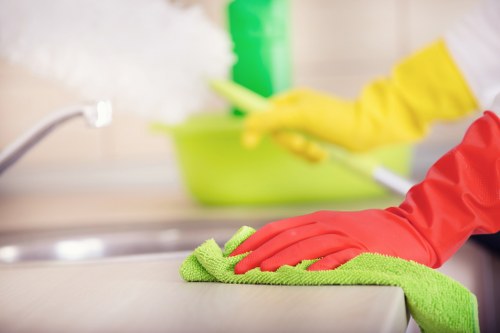
Stains happen, but acting quickly makes a big difference. The most important rule in rug cleaning in response to spills is to blot, not rub. Rubbing can spread the stain, damage the pile, and push liquid deeper into the fibers. Instead, use a clean, absorbent cloth to lift as much of the spill as possible.
Different stains require different treatments. Water-based spills such as juice or coffee may respond to a mild detergent solution, while oil-based stains may need a specialized cleaner. Pet stains are especially tricky because they can affect both color and odor. If the spill has already dried, it may take repeated treatment or professional rug cleaning to fully remove it.
It is also important to avoid over-wetting. Too much water can cause color bleeding, mildew, and warping. A little patience and the right product often work better than aggressive scrubbing. If a stain is on an antique or dyed rug, testing the solution first is essential.
Simple Spot-Cleaning Steps
- Blot the spill immediately with a white cloth
- Use a mild, rug-safe cleaning solution
- Apply gently from the outside of the stain inward
- Blot again to remove moisture and residue
- Allow the rug to dry fully before placing it back in use
Important: Avoid bleach, harsh scrub brushes, and overly strong chemicals unless a rug care label specifically allows them. When in doubt, a professional rug cleaning service can help prevent permanent damage.
Rug Cleaning in Homes: Practical Tips for Better Results
Daily and Weekly Care
Homeowners can keep rugs in excellent condition with a few consistent habits. Start with regular vacuuming, especially in entryways, living rooms, and under dining tables. Shake out smaller rugs outdoors when appropriate, and rotate rugs every few months so wear is spread more evenly. These simple actions reduce buildup and help preserve the rug’s original look.
Use doormats at entrances to limit the amount of dirt brought inside. Removing shoes at the door can also make a noticeable difference. When spills happen, treat them immediately rather than waiting until later. Small actions taken quickly often prevent expensive rug cleaning problems down the road.
It is also wise to keep furniture feet protected. Heavy items can crush fibers and create permanent dents, especially on plush or hand-knotted rugs. By changing furniture placement from time to time, you can reduce pressure marks and improve airflow around the rug. This supports faster drying after any cleaning and helps maintain an even texture.
Best Home Maintenance Habits
- Vacuum consistently and gently
- Use rug pads to reduce slipping and friction
- Rotate rugs every 3 to 6 months
- Keep food and drinks away from delicate rugs when possible
- Schedule deeper rug cleaning periodically
Rug cleaning in the home does not need to be complicated, but it does need consistency. A little care on a regular basis can save time, money, and stress later.
Rug Cleaning in Commercial Spaces
Why Businesses Need a Strong Maintenance Plan
Commercial rugs endure much heavier traffic than most home rugs, so their cleaning needs are often more demanding. Offices, hospitality venues, and retail properties rely on rugs to make a strong first impression. Dirty rugs can quickly undermine that impression, especially when customers or clients notice odors, stains, or worn traffic areas.
A structured rug cleaning schedule helps businesses protect their investment and reduce long-term replacement costs. Depending on traffic levels, some rugs may need daily vacuuming, weekly spot checks, and periodic professional deep cleaning. This is especially important in places where food, moisture, and foot traffic are constant.
Commercial rug cleaning also helps support workplace hygiene. Dust and contaminants can circulate through HVAC systems and settle on nearby surfaces if rugs are not maintained properly. In offices and shared facilities, this can lead to a less comfortable environment for employees and visitors alike.
Commercial Rug Care Priorities
- High-frequency vacuuming in busy areas
- Fast response to spills and tracked-in dirt
- Scheduled deep cleaning to maintain appearance
- Use of low-drying-time methods when needed
- Protective mats near entrances and service areas
Rug cleaning in business settings should always balance appearance, convenience, and durability. The goal is not just to make rugs look nice today, but to keep them functional and attractive over time.
Professional Rug Cleaning vs. DIY Care
When DIY Works Best
Basic maintenance is ideal for DIY care. Vacuuming, light spot treatment, and routine rotation can usually be handled at home. Many synthetic rugs also tolerate moderate self-cleaning if the instructions are followed carefully. DIY rug cleaning can be cost-effective and convenient, especially for everyday freshness.
When to Call a Specialist
Some rugs benefit far more from professional service. Handmade rugs, antique textiles, large wool rugs, and heavily soiled pieces are often better left to trained cleaners. Professionals have the equipment, cleaning agents, and expertise to treat stains, odors, and delicate fibers without unnecessary risk. They can also identify issues like dye instability, moth damage, or hidden moisture problems.
If a rug has been exposed to floodwater, pet accidents, smoke, or repeated staining, professional rug cleaning is often the safest choice. Specialists can also provide controlled drying, which is important because trapped moisture can create mildew and fiber damage if left unchecked.
How to Decide
- Choose DIY for routine cleaning and minor spills
- Choose professional service for delicate or valuable rugs
- Use specialists for odor removal, deep stains, and restoration
- Seek expert help if the rug has color bleed or structural damage
In many cases, the best results come from combining both approaches. Regular home maintenance keeps rugs in shape, while periodic professional rug cleaning restores them more thoroughly.
How Often Should Rugs Be Cleaned?
The answer depends on location, traffic, pets, children, and the rug’s material. As a general rule, vacuuming should be weekly, and more often in busy areas. Spot cleaning should happen immediately after spills. Deep rug cleaning might be needed every 6 to 12 months for household rugs, while commercial rugs may need service more frequently.
High-traffic entry rugs can accumulate soil quickly and may need extra attention. Rugs in bedrooms or low-traffic spaces may stay clean longer, but they still benefit from regular maintenance. If you live with pets, allergies, or small children, increasing cleaning frequency is often beneficial.
The best schedule is one that matches how the rug is actually used. A decorative rug that is rarely walked on may need less frequent deep cleaning than a family room rug that sees daily activity. The key is to prevent buildup before it becomes difficult to remove.
Suggested Cleaning Timeline
- Weekly: Vacuum and inspect for stains
- Monthly: Rotate the rug if needed and check for wear
- Every 6-12 months: Schedule deep rug cleaning as appropriate
- As needed: Treat spills and odor issues immediately
Common Mistakes to Avoid
Even well-intentioned cleaning can cause damage if done incorrectly. One of the biggest mistakes in rug cleaning is using too much water. Over-wetting can weaken fibers, distort backing materials, and create a breeding ground for mildew. Another common error is using the wrong detergent, especially on wool, natural fibers, or dyed rugs.
Scrubbing vigorously is another problem. While it may seem like more force would remove stains faster, aggressive action usually pushes soil deeper and damages the pile. It is better to use a gentle blotting technique and patient treatment.
Skipping drying time is also risky. A rug that feels dry on the surface may still hold moisture beneath. Before returning furniture or placing the rug back in a room, make sure it is fully dry. This is especially important after deep rug cleaning in humidity-prone climates or enclosed spaces.
What Not to Do
- Do not use bleach unless explicitly safe
- Do not scrub stains hard
- Do not leave rugs damp for long periods
- Do not assume every rug can be steam cleaned
- Do not ignore care labels or fiber warnings
Keeping Rugs Fresh Between Deep Cleanings
Fresh-looking rugs are the result of small, repeated efforts. Air circulation matters, especially in rooms that are humid or closed off. Opening windows when weather allows, using fans, and making sure rugs are not placed on damp flooring can all help. Rug pads are also useful because they reduce friction and improve airflow underneath the rug.
For homes with pets, grooming animals regularly can lower the amount of hair and dander trapped in the rug. For families that eat and drink near rugs, making a habit of using trays or designated eating spaces can reduce the risk of spills. These habits may sound simple, but they make a meaningful difference in how often deep rug cleaning is required.
If a rug is in a room that gets direct sunlight, rotating it helps prevent uneven fading. Some rugs also benefit from occasional professional inspection, especially if they are antique or high-value items. Preventive care always costs less than major restoration.
Long-Term Rug Care Tips
- Keep rugs away from prolonged moisture
- Use window coverings to reduce fading
- Check for loose threads or edge wear early
- Address odors before they settle into the fibers
- Refresh rugs with scheduled deep cleaning
When you invest in regular rug cleaning in your property, you protect both aesthetics and function. Clean rugs support a cleaner room, and cleaner rooms feel more welcoming.
Final Thoughts on Rug Care and Cleanliness
Rugs are practical, decorative, and often expensive to replace, which makes maintenance worth the effort. With the right routine, you can preserve color, texture, and durability while also improving the cleanliness of the entire room. From daily vacuuming to periodic deep washing, every step contributes to better results.
Whether you are caring for a small entry rug, a handmade heirloom, or a large commercial floor covering, thoughtful rug cleaning makes a real difference. It protects your investment, supports indoor hygiene, and keeps your space looking polished. The key is to match the cleaning method to the rug type and to act quickly when problems appear.
If your rug needs deeper attention, do not wait until stains set or odors spread. Book your service now and give your rugs the care they deserve. For homeowners and business owners alike, rug cleaning in a consistent maintenance plan is one of the simplest ways to improve the look and feel of any interior.
Contact us today to take the next step toward cleaner, fresher, longer-lasting rugs.