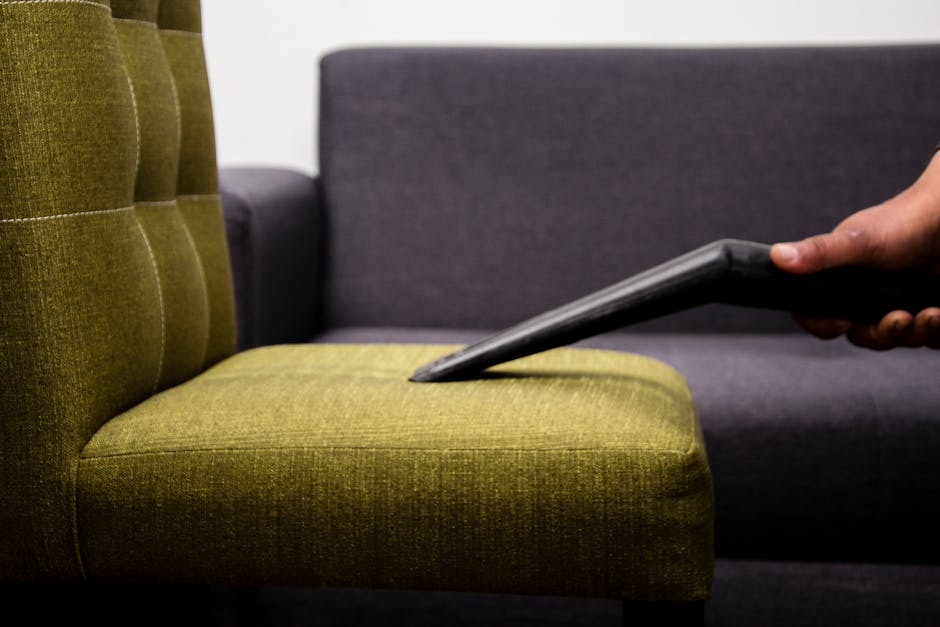
Upholstery cleaning Bedford Hill Balham specialist service
If your sofa looks tired, your dining chairs are picking up everyday grime, or that one armchair has a stubborn mark you keep pretending not to notice, you are in the right place. Upholstery cleaning Bedford Hill Balham specialist service is about more than making fabric look nicer for a day. Done properly, it helps protect delicate materials, lift embedded dirt, reduce lingering odours, and keep your furniture feeling comfortable for longer.
In a busy Balham home, upholstery takes a beating. Coffee splashes, pet hair, school-run chaos, late-night snacks, and London dust all settle in quietly. The trouble is, most of it hides below the surface until the fabric starts to look flat, dull, or slightly off. This guide breaks down what specialist upholstery cleaning actually involves, why it matters, how the process works, and what to expect if you are comparing options or planning a clean soon.
We will also cover common mistakes, useful preparation tips, practical methods, and a few things local customers often overlook. Let's face it, furniture is expensive enough already. A bit of care goes a long way.
Table of Contents
- Why upholstery cleaning in Bedford Hill Balham matters
- How the specialist cleaning process works
- Key benefits and practical advantages
- Who this service is for and when it makes sense
- Step-by-step guidance
- Expert tips for better results
- Common mistakes to avoid
- Tools, resources and recommendations
- Law, compliance, standards, and best practice
- Options, methods, and comparison table
- Case study or real-world example
- Practical checklist
- Conclusion
- Frequently asked questions
Why Upholstery cleaning Bedford Hill Balham specialist service Matters
Upholstery cleaning matters because fabric furniture behaves a bit like a filter. It captures dust, skin oils, crumbs, pet dander, traffic pollution brought in from outside, and whatever else lands on it during normal life. You do not usually see this build-up straight away, but you can feel it: the armrests go shiny, the cushions lose freshness, and a faint smell starts to settle in.
For Bedford Hill and the wider Balham area, there is also the practical London factor. Homes here are lived in, often compact, and furniture works hard. A sofa might double as a workspace, a family snack zone, and a place where everyone lands after a long commute. Specialist cleaning is useful because it targets not just surface dirt but the deeper contamination that standard vacuuming cannot reach.
There is another reason people seek out a specialist service rather than a quick DIY fix: upholstery is not one material. It may be natural fibre, synthetic, blended, textured, sensitive to water, or treated with stain resistance. What works on one fabric can ruin another. That is why proper identification, patch testing, and method selection matter more than most people realise.
In our experience, the biggest difference is not just appearance. It is confidence. Once furniture is properly cleaned, a room tends to feel lighter, less stale, and more cared for. That sounds small, but it changes how the space feels day to day.
How Upholstery cleaning Bedford Hill Balham specialist service Works
A specialist upholstery clean usually starts with inspection. The technician looks at the fabric type, dye stability, visible marks, wear patterns, seams, cushion construction, and any signs of previous cleaning attempts. That first step is important because it helps avoid shrinkage, colour bleeding, and over-wetting.
Next comes dry soil removal. This often means careful vacuuming with the right attachments to lift loose dust, hair, crumbs, and grit from creases and stitching. This stage sounds basic, but it is not. If loose debris is left behind, wet cleaning can turn it into a paste and make extraction less effective.
After that, a suitable pre-treatment is chosen. This might be a fabric-safe solution designed to loosen general grime, or a targeted treatment for spots and stains. A technician may agitate the product lightly with a brush or cloth depending on the material. On sensitive fabrics, less is more. On more robust synthetic upholstery, a deeper process may be appropriate.
The main cleaning stage then follows. Depending on the fabric and level of soiling, this could be low-moisture hot water extraction, controlled steam-based cleaning, or a specialist dry or semi-dry method. The aim is to lift dirt from inside the fibres without soaking the filling underneath. That balance matters, especially with cushions, padding, and wooden frames that should stay dry.
Finally, the furniture is checked, groomed if needed, and left to dry with clear guidance on ventilation and use. Some pieces dry quickly, others take longer. A plush armchair on a mild afternoon may be ready sooner than a deep-padded sofa tucked into a cool, shaded room. No surprises there.
What makes a specialist service different?
- Fabric identification before cleaning
- Targeted spot and odour treatment
- Controlled moisture levels
- Care for delicate trims, piping, and stitching
- Better handling of tough marks and mixed-material furniture
If you are also dealing with wider household fabrics, it can help to look at related services such as curtain cleaning, rug cleaning, or mattress cleaning so the soft furnishings in one room are treated consistently.
Key Benefits and Practical Advantages
Specialist upholstery cleaning offers several benefits, but the strongest ones are practical. Here is the short version: cleaner fabric, better hygiene, longer furniture life, and fewer awkward smells. Not glamorous. Very useful.
- Improved appearance: old marks, flattened pile, and dullness are often reduced noticeably.
- Freshness: lingering food, pet, or general household odours are usually eased when the source is removed, not masked.
- Fabric care: correct methods help protect fibres rather than stressing them.
- Longer lifespan: embedded dirt acts a bit like sandpaper over time; removing it can slow wear.
- Healthier living space: dust and allergens are reduced, which many households appreciate even if they cannot see it directly.
- Better resale or letting presentation: clean upholstery makes a property look looked-after, which matters if you are preparing a move, sale, or inspection.
There is also the emotional side. A fresh sofa changes the feel of a room. It is hard to enjoy a quiet evening with a film if the armrest smells faintly of last week's takeaway. Truth be told, we have all lived with that a bit longer than we should have.
Who This Is For and When It Makes Sense
This service is a good fit for anyone whose furniture sees regular use and cannot just be swapped out easily. That sounds broad because it is broad. But there are a few clear groups who benefit most.
Households with children or pets
Children and pets are wonderful. Also chaotic. Sticky hands, muddy paws, biscuit crumbs, and the occasional mystery mark all show up on upholstery sooner or later. If you have a dog that likes the sofa or a cat that treats the armchair as a lookout tower, specialist cleaning can be worth it.
Renters and landlords
For rented homes, clean upholstery can support a better handover at the end of a tenancy. For landlords or letting agents, it can improve presentation between occupants and help a property feel properly reset.
Busy professionals and home workers
When you spend a lot of time at home, furniture gets used more intensively than people expect. A chair may be the place where you work, eat, and answer calls. Over time, that adds up.
Anyone with a stained or odorous item
If a stain has been there for weeks, or if a smell seems to return after cleaning with supermarket sprays, that is usually a sign the issue sits deeper in the fibres. Specialist treatment has a better chance of addressing the source.
Commercial settings
Small offices, reception areas, clinics, and hospitality spaces often need upholstery cleaned to keep seating presentable for clients and staff. For those environments, it can be sensible to coordinate with commercial carpet cleaning or other soft furnishing services so the whole space feels consistent.
Step-by-Step Guidance
If you want to understand what a good upholstery clean should look like, this simple sequence helps.
- Assess the fabric: check labels, fibre type, colourfastness, and any existing damage.
- Test in a discreet area: especially important for delicate, dyed, or older fabrics.
- Vacuum thoroughly: remove loose dirt from seams, buttons, and edges.
- Pre-treat stains: use the right solution for the specific mark, not a one-size-fits-all spray.
- Clean with the correct method: low-moisture, extraction, or dry cleaning depending on the material.
- Control drying: open windows if practical, use airflow, and avoid using the furniture too soon.
- Inspect once dry: check for missed marks, water lines, or any remaining odour.
A good cleaner will explain these stages in plain English, not hide behind jargon. If they cannot tell you how they will treat your fabric, that is a bit of a red flag, honestly.
What you can do before the cleaner arrives
- Remove loose cushions, throws, and small items
- Clear the space around the furniture
- Point out any stains, repairs, or fragile areas
- Share any known fabric issues or previous cleaning mishaps
- Keep pets and children away from the working area during the process
Expert Tips for Better Results
A few small decisions can make a big difference. These are the kinds of details that save headaches later.
Choose the right method for the fabric, not the cheapest one available. That may sound obvious, but people often ask for the strongest clean when what they really need is the safest one.
Deal with stains as early as possible. Fresh marks are generally easier to treat than older ones that have oxidised, set, or been rubbed in with repeated DIY attempts.
Do not oversaturate the upholstery. Too much moisture can lead to slow drying, water marks, or in some cases a musty smell from the padding underneath. Not ideal. At all.
Ventilation helps. A bit of airflow on a dry day can reduce drying time and improve the final feel of the fabric.
Protect high-wear areas after cleaning. If your sofa has one especially worn seat cushion, rotate it if possible. Small habits like that buy you time.
Pair upholstery care with broader fabric care. If you are already deep-cleaning the home, it may make sense to combine upholstery work with carpet cleaning or stain removal so the result feels complete rather than half-done.
Expert summary: The best upholstery results usually come from careful inspection, correct fabric matching, controlled moisture, and sensible drying. Fancy? No. Effective? Very.
Common Mistakes to Avoid
Most upholstery damage happens because someone was trying to be helpful. That is the annoying part. A quick fix, the wrong spray, a bit too much water, and suddenly the mark is larger than it started.
- Using generic household cleaners: some contain ingredients that can strip dye or leave sticky residue.
- Scrubbing stains aggressively: this often pushes soil deeper and roughs up the pile.
- Ignoring fabric labels: the care code exists for a reason, even if it is tiny and half-hidden.
- Cleaning only the stain: spot-only treatment can leave a visible patch or halo around the mark.
- Using too much water: especially risky on upholstered chairs and sofas with thick padding.
- Putting cushions back too soon: damp interiors can trap odours and slow the finish.
One of the most common mistakes is assuming all upholstery behaves like carpet. It does not. Carpet and furniture share some cleaning logic, but upholstery often has more layers, more seams, and more sensitivity. If the job needs a deeper clean on floor textiles too, a related option such as steam carpet cleaning may be worth considering for the right surface.
Tools, Resources and Recommendations
You do not need a van full of equipment to understand quality upholstery cleaning, but a few tools and checks matter if you are comparing services or doing light maintenance between professional visits.
Useful tools and checks
- A vacuum with an upholstery attachment
- Soft brushes for surface dust and pet hair
- Microfibre cloths for gentle blotting
- Fabric-safe spot treatment used sparingly
- Good airflow for drying
- Care labels or manufacturer guidance, if available
What to ask before booking
- Do you inspect the fabric type before cleaning?
- How do you handle delicate or mixed materials?
- What happens if a stain does not fully shift?
- How long should the furniture take to dry?
- Are you able to treat pet odours or specific marks?
If pet smells are a concern, it can help to discuss pet stain and odour removal alongside upholstery cleaning, because odour issues often have a source rather than being a simple surface problem.
For booking clarity, many people also appreciate having the financial side laid out upfront. A transparent pricing and quotes page helps set expectations, especially when you are comparing more than one service or several rooms at once.
Law, Compliance, Standards, and Best Practice
Upholstery cleaning is not usually a heavily regulated trade in the way some specialist industries are, but there are still important standards of care and good practice. In the UK, a trustworthy provider should work in a way that respects health and safety, fabric care, property protection, and customer data handling where booking or payment details are involved.
Best practice usually means:
- Using suitable chemicals and equipment for the material
- Following safe working methods around water, electricity, and access
- Taking care not to damage flooring, walls, or surrounding fittings
- Explaining limitations honestly rather than overselling results
- Keeping customer information secure and handled appropriately
It is also sensible for a company to have clear policies on safety, complaints, and payment. Those pages are not just formalities; they tell you how the business operates when something needs attention. If you want to understand how a provider approaches this, the site's health and safety policy, insurance and safety, terms and conditions, and privacy policy are worth a look.
In practice, compliance is less about ticking boxes and more about consistent care. The cleaner who protects your furniture, your floor, and your time is usually the one taking the right approach behind the scenes.
Options, Methods, and Comparison Table
Not every upholstery job needs the same treatment. The right method depends on fabric type, soil level, age, and what you are trying to remove. Here is a simple comparison to make that easier to judge.
| Method | Best for | Advantages | Watch-outs |
|---|---|---|---|
| Low-moisture cleaning | General maintenance on suitable fabrics | Faster drying, less risk of saturation | May be less effective on deep or heavy soiling |
| Hot water extraction | Robust upholstery and deeper dirt removal | Can lift embedded soil effectively | Needs careful control to avoid overwetting |
| Dry or semi-dry cleaning | Delicate materials and moisture-sensitive fabrics | Reduced drying time, safer on some textiles | May not suit all heavy stains |
| Targeted stain treatment | Specific marks, spots, and spills | Useful as part of a broader clean | Often works best alongside full upholstery cleaning |
For some homes, a sofa clean is the main priority. For others, the whole room needs attention. If you are working through several soft furnishings at once, sofa cleaning may be the most direct fit for seating, while upholstery cleaning is the broader service that covers chairs, dining seats, footstools, and more.
There is no single perfect method for every item. Slightly frustrating, but true. A good specialist chooses the method based on the fabric rather than forcing the furniture to fit the machine.
Case Study or Real-World Example
Here is a realistic example. A family in Bedford Hill had a two-seater sofa that looked fine from a distance but felt grimy up close. One seat cushion had a pale patch from an old drink spill, one armrest had darkened from daily use, and the whole piece carried a faint smell of food and pet hair. Nothing dramatic. Just the kind of wear that creeps up on you.
The first step was fabric identification and a test on a hidden section. That ruled out a heavy-wet approach. The cleaner then vacuumed the surface, treated the visible mark carefully, and used a controlled low-moisture method to clean the rest of the upholstery evenly. After that, the room was aired and the sofa was left to dry properly before use.
The result was not a miraculous brand-new sofa. That would be unrealistic. But the fabric looked brighter, the armrest no longer drew the eye, and the odour was reduced enough that the room felt fresher straight away. The family noticed something else too: they stopped avoiding the sofa corner everyone had been pretending not to sit on. Small win, but a real one.
That is what a specialist service tends to do best. Not magic. Just the right method, applied properly, with care.
Practical Checklist
Before you book or before the clean begins, use this checklist to make the job smoother.
- Check what fabric the upholstery is made from
- Note any stains, odours, or worn areas in advance
- Ask whether a test clean will be done first
- Confirm the expected drying time
- Clear the surrounding area for access
- Move fragile items, lamps, and ornaments out of the way
- Keep pets and children away from the cleaning area
- Ask about aftercare and when the furniture can be used again
- Consider cleaning nearby soft furnishings too if they are due
- Review service terms, safety, and payment details before confirming
If you want to understand the company behind the service a little better, you can also read more about the team's background, or check the site's recycling and sustainability approach if environmentally minded cleaning matters to you.
Conclusion
Upholstery cleaning Bedford Hill Balham specialist service is really about giving your furniture the kind of care that everyday vacuuming cannot provide. It helps restore appearance, improves freshness, and protects the materials that make your home feel comfortable in the first place. The best results come from proper fabric assessment, careful cleaning, and realistic expectations. If a mark has been sitting there for months, it may not vanish completely, but it can often improve a great deal.
The key is choosing a service that treats upholstery as a specialised job rather than just another surface to blast with water. That difference shows in the finish, the drying time, and the life of the furniture afterwards.
Get a free quote today and see how much you can save.
And if you are still deciding, that is fine. Good upholstery care is one of those small home decisions that quietly pays you back every time you sit down and the room simply feels better.
Frequently Asked Questions
What does a specialist upholstery cleaning service include?
It usually includes inspection of the fabric, vacuuming, stain pre-treatment, the appropriate cleaning method for the material, and controlled drying guidance. Some jobs also include odour treatment or protection advice afterwards.
How often should upholstery be professionally cleaned?
That depends on how heavily the furniture is used. A busy family sofa will usually need attention more often than a spare chair in a guest room. As a general rule, clean when the fabric looks dull, feels tacky, or starts holding odours.
Can all upholstery fabrics be steam cleaned?
No, not safely. Some fabrics tolerate moisture well, while others can shrink, distort, or mark easily. A specialist should check the fabric type first and choose the safest method for that item.
Will upholstery cleaning remove old stains completely?
Sometimes, but not always. The age of the stain, the fabric type, and any previous DIY treatment all affect the outcome. A good cleaner should be honest about likely improvement rather than promise perfection.
How long does upholstered furniture take to dry?
Drying time varies by fabric, room temperature, airflow, and cleaning method. Lightly cleaned items may dry fairly quickly, while thicker cushions and deeper padding can take longer. Good ventilation helps a lot.
Is upholstery cleaning safe for homes with children and pets?
It can be, provided suitable products and safe working methods are used. It is sensible to keep children and pets away from the area during cleaning and until the furniture is dry and ready to use.
What should I do before the cleaner arrives?
Move small items, clear access around the furniture, and point out any problem areas or delicate sections. If you know about a spill, pet issue, or repair, mention it early. That helps avoid guesswork.
Can upholstery cleaning help with pet smells?
Yes, especially when the odour is trapped in the fabric or padding. For stronger or repeated pet-related issues, a targeted approach such as pet stain and odour removal can be useful alongside the main upholstery clean.
Is there a difference between sofa cleaning and upholstery cleaning?
Yes. Sofa cleaning focuses on sofas specifically, while upholstery cleaning is the broader service covering sofas, chairs, footstools, dining seats, and other fabric-covered furniture.
How do I know if a company is trustworthy?
Look for clear explanations of the process, sensible advice about fabric care, and transparent policies on safety, payment, and complaints. If they explain limitations honestly and do not overpromise, that is usually a good sign.
Can upholstery cleaning be combined with carpet cleaning?
Absolutely, and it often makes practical sense. Cleaning the furniture while leaving the surrounding carpet untouched can make the room feel half finished. Many people combine upholstery work with carpet cleaning for a more consistent result.
What if my furniture is old or delicate?
Older or delicate items should be treated carefully, with fabric testing and a conservative approach. In some cases, a low-moisture or specialist dry method is safer than a wetter process. Gentle is better than brave, here.